What is a
Cyclone?

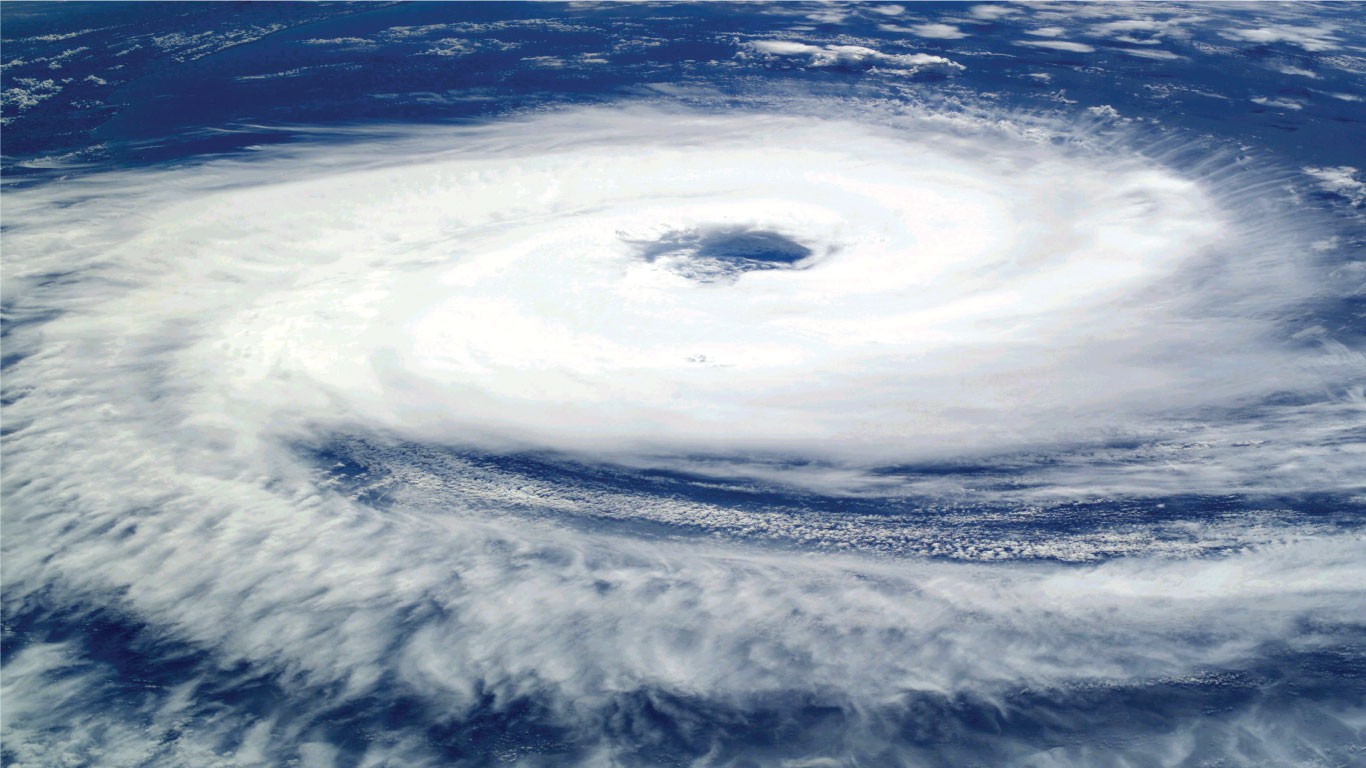
Imagine a celestial being sneezing onto a continent – that’s a cyclone. Hurricane, typhoon, whatever else you call it, they’re all the same thing. Strong storms with torrential rain and gushing bouts of wind, these aren’t just any ordinary rainy day. Cyclones are potentially life threatening.

BEFORE

1

Have a stock of disaster rations and supplies ready.

2

Secure anything that could potentially be blown away.

3

To protect your windows and doors, shut them and board them up.

4

Be familiar with your family and neighborhood’s evacuation plans. Go over them until every member of your household is familiar.

5

Get ready to bug out if the authorities advise to do so.

How To
Prepare for a Cyclone

DURING

Cyclone
WATCH

There’s potential of a cyclone hitting in 48 hours – be prepared to act.

Tune in to a weather radio/ Coast Guard emergency frequency station/ local radio or television station to stay updated on emergency information.

Cyclone
WARNING

There’s potential of a cyclone hitting in 36 hours – start acting!

You need to Evacuate AT ONCE! Take your emergency preparedness kit with you and don’t abandon your pets.

Know the Difference

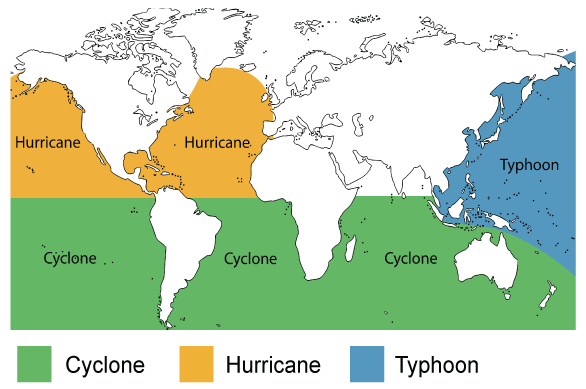
How do Cyclones, Typhoons and Hurricanes differ? Geography!

STAY INDOORS!

Not on Dry Land?

If you’re on a plane and hear you’re headed into a cyclone, do not panic. Most cyclones do not affect planes at cruising altitude. It’s the landing that’s tricky. If you’re on a boat however, put on your life jacket, tie down anything that may get jostled about and stay away from metal. Steer your boat at a 45o angle towards the port or docking area.

AFTER

  • Continue staying tuned in to a weather radio/ Coast Guard emergency frequency station/ local radio or television station to stay updated on emergency information.
  • Make note of additional rainfall even if the cyclone has passed.
  • Return home only AFTER you’ve been given the go ahead by the authorities.
  • Before entering your home, look out for health and safety hazards (contaminated water, loose power-lines, damaged gas lines, structural integrity of the building)
  • Call the fire department of other authorities if you need help disposing of hazardous items.
  • Wear necessary safety gear when cleaning up and dispose of any consumables or toiletries that have been in contact with flood water.