What is a
Flood?

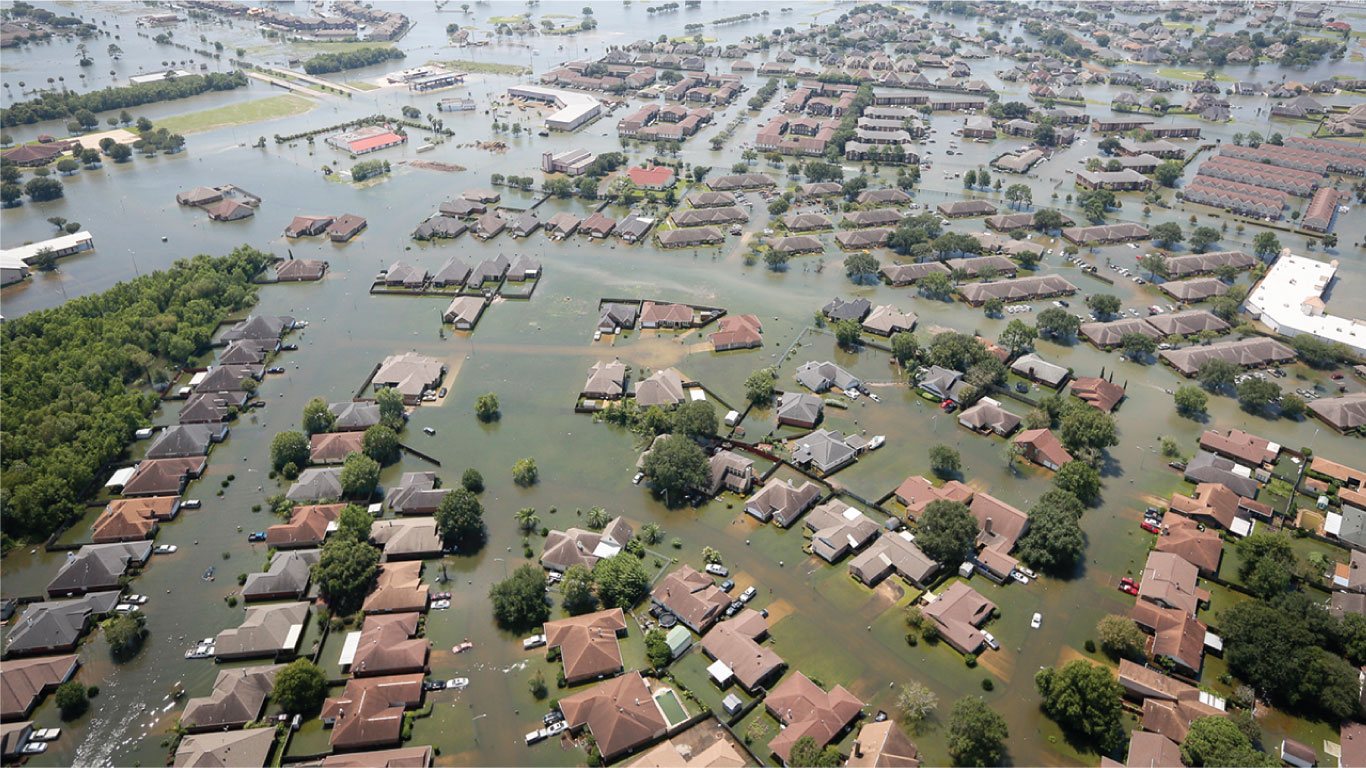
On a planet rife with natural disasters, floods have the most frequent spot. An overflow of large volumes of water that sweep across dry areas, engulfing everything it comes across. Homes and people have been washed away, agriculture ruined, livelihoods destroyed. How can you prevent this from happening to you?

BEFORE

1

Tune in to a weather radio/ National Weather Service/ local radio or television station to stay updated on possible flood warnings or progression.

2

Be ready to evacuate as soon as possible! Head for higher ground.

3

Whether you’re walking or driving, keep away from flood water. Always assume there’s more danger than what’s visible.

4

Practice, practice, practice! Familiarizing yourself with your evacuation routes will make you prepared for bad weather, working in darkness and creating a planned response.

5

If you are in an area that is prone to flooding, you should get insurance coverage over your life and property. Visit the National Insurance Trust Fund for more information.

How To
Prepare for a Flood

DURING

Flood
WATCH

Flooding is possible, take precautions.

Tune in to a weather radio/ Coast Guard emergency frequency station/ local radio or television station to stay updated on emergency information. Get your family together and review your evacuation plan so you are ready to move out.

Flood
WARNING

Flooding is happening/will happen soon – Act Now!

You need to Evacuate AT ONCE! Take your bug out bag with you and don’t abandon your pets. Remember Up, Up and Away’ when evacuating, the further upland, the better.

If you notice

Persistant rain for several days.

A storm/dam breaking/
sluice gates opening.

HEAD FOR HIGHER GROUND!

Car Trouble?

If you’re in your car and get caught to flash floods, remember this line – Seatbelt, Window, Children, Out. As soon as you hit water and before your car sinks, take off your seatbelt, roll down your window, grab your kids and crawl out through the window. Do wait for floodwater to come into your car or wait for the vehicle to be submerged. You have seconds to act. Invest in a window puncher for worst case scenarios like these.

AFTER

  • Continue staying tuned in to a weather radio/ Coast Guard emergency frequency station/ local radio or television station to stay updated on emergency information.
  • Return home only AFTER you’ve been given the go ahead by local officials.
  • Before entering your home, look out for health and safety hazards (contaminated water, loose power-lines, damaged gas lines, structural integrity of the building)
  • Wear necessary safety gear when cleaning up and dispose of any consumables or toiletries that have been in contact with flood water.
  • Call the fire department of other authorities if you need help disposing of hazardous items.
  • Stay out of buildings surrounded by water as structural integrity may be compromised.